
Working in a children’s hospital, especially in the epilepsy monitoring unit, has shown me just how many kids are deeply sleep-deprived.
I see it every day in their tired eyes, short attention spans, and emotional overwhelm.
Many of the children I monitor are quietly struggling with depression, anxiety, and insomnia at ages where they should be running around with energy and falling asleep easily after a full day of play.
Sleep troubles are becoming more common, but not because parents are careless.
Families today are juggling long work hours, school pressures, digital distractions, and the daily stress of parenting.
Many parents are running on empty and trying to build routines while dealing with their own lack of sleep and mental exhaustion. It is hard to create calm evenings when the whole household is stretched thin.
There is so much love behind the effort, even on days when routines fall apart
Why Sleep Matters So Much for Children
Children are not simply miniature adults. Their brains and bodies are constantly growing, wiring, and recovering.
Sleep fuels this process. It strengthens memory, supports emotional stability, and plays a major role in learning and development.
When children miss out on sleep, we often see:
- More emotional outbursts
- Trouble focusing
- Heightened anxiety
- Mood swings
- Difficulty with schoolwork
- More frequent illness
- Increased risk of injury
In the hospital, sleep deprivation often intensifies symptoms.
The constant comings and goings of staff for vitals, medication administration, and various testing leave the whole family out of sorts and exhausted.
How Neuroplasticity Makes Sleep Even More Important
Children’s brains are incredibly moldable.
This ability to grow, change, and build new connections is called neuroplasticity.
Neuroplasticity is strongest in childhood, which means every experience shapes the developing brain.
Sleep is one of the most powerful forces guiding this process.
During sleep, the brain:
- Builds new pathways
- Strengthens learning
- Processes emotions
- Repairs and reorganizes neural networks
When sleep is consistently disrupted, neuroplasticity still happens, but it happens under stress.
Emotional regulation becomes harder. Memory becomes less stable. Learning feels heavier. A tired brain is a vulnerable brain.
This is why good sleep hygiene is not simply about bedtime.
It is about supporting healthy brain development and giving children the foundation they need to grow.
How Neuroplasticity Makes Sleep Even More Important
Many families tell me the same thing. Their child is exhausted but cannot settle down.
This wired but tired pattern often comes from overstimulation, late screen time, unpredictable routines, and the emotional pressures that children carry quietly.
Some kids are living with anxiety, depression, ADHD, sensory challenges, or chronic health conditions that make sleep even harder.
These children are not misbehaving.
Their nervous systems are overwhelmed.
How Parents Can Support Healthier Sleep (With Compassion for Themselves Too)
Parents already have so much on their plates.
Building better routines does not need to feel like another task to fail at.
It is okay to start small. It is okay to have imperfect days. It is okay to feel tired while helping a tired child.
You are human, and your well-being matters too.
Here are gentle, realistic steps that help both children and adults:
1. Keep a Predictable Evening Rhythm
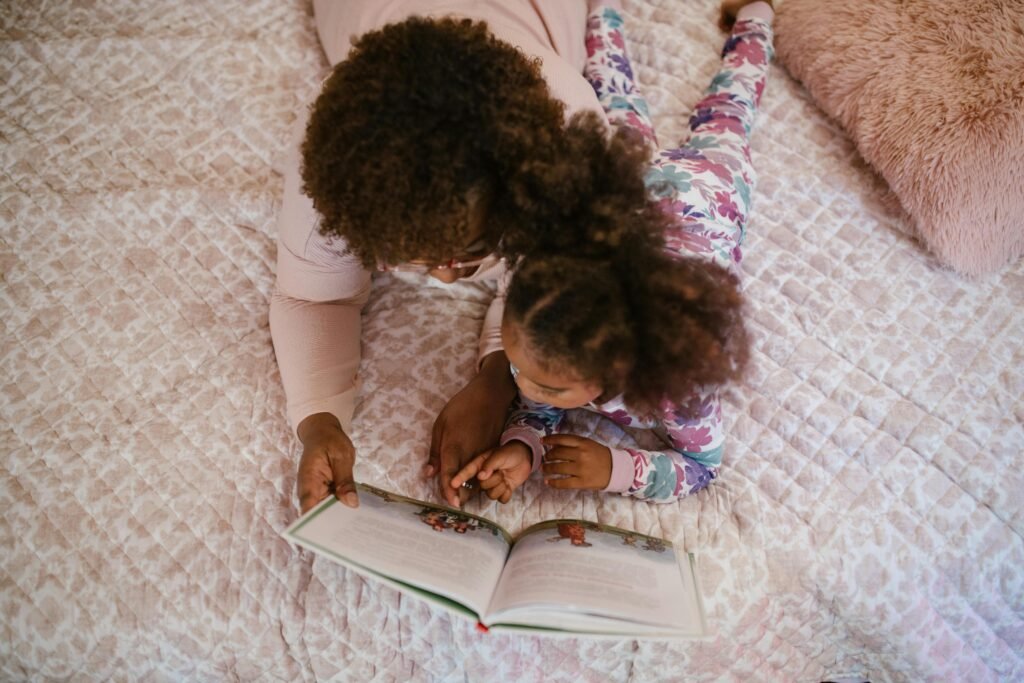
Kids thrive with consistency. Something simple like bath time, book time, then bed can create a familiar pattern that the brain associates with rest.
2. Protect the Hour Before Bed
Lower the lights. Turn off screens. Reduce noise. These small cues help the nervous system shift into calm mode.
3. Make the Sleep Space Cozy
A cool room, soft lighting, and minimal clutter can make a child feel safe. Safety is the first step to falling asleep.
4. Limit Evening Screens
Blue light delays melatonin and keeps the brain alert. Turning devices off at least an hour before bedtime helps.
5. Teach Relaxation Skills
Kids can learn gentle coping tools such as:
- Belly breathing
- Gentle breathing device (affiliate link)
- Progressive muscle relaxation
- Listening to calm stories or music
- Using a weighted blanket if appropriate
Many of the children I monitor love learning simple breathing exercises. It gives them a sense of control when their minds feel too busy.
6. Make Sleep a Family Priority
Children follow the energy in the home. When parents begin slowing down at night, children often follow naturally.
This helps the whole household recover together.
A Reminder for Parents Who Are Trying Their Best
Some sleep struggles come from medical or emotional conditions and do not improve with routine alone.
That does not mean you are doing anything wrong. Sleep is complex.
Sometimes children need extra support, whether through therapy, behavioral help, or medical guidance.
Even with everything parents handle, the love and effort they put into bedtime matters more than perfection.
Every small improvement makes a difference. The brain notices consistency. The body responds to steady care.
Children are remarkably resilient.
Their brains adapt and grow with incredible strength thanks to neuroplasticity.
When we add structure, warmth, and rest, their nervous systems begin to settle. They learn to trust the rhythm of sleep again.
Healthy sleep is one of the greatest gifts we can offer a child, and it is a gift that grows with them. And parents deserve that same gift too.
From my heart to yours, I hope these gentle reminders bring a little peace to your evenings. Both you and your child deserve the kind of rest that helps you grow.
With calm,
Zara Nova

Breathe well. Live Gently.
About Zara
Zara is a respiratory therapist and wellness writer who believes breathing well is the first step to living well. Through BreatheNova, she shares gentle ways to support calm, rest, and renewal at every stage of life.
Disclaimer: This post is for educational purposes only and may contain affiliate links. It’s not a substitute for medical advice—always consult your healthcare provider.